
Mobile payment security solutions from a technology perspective
As app-based payments increasingly shape how you transact, robust security is now a basic expectation for any digital money service. Financial data and personal identity details make mobile payments a target for a wide range of digital threats. Understanding the key security mechanisms and how technology helps keep your interactions safe can support trust in the services you rely on.
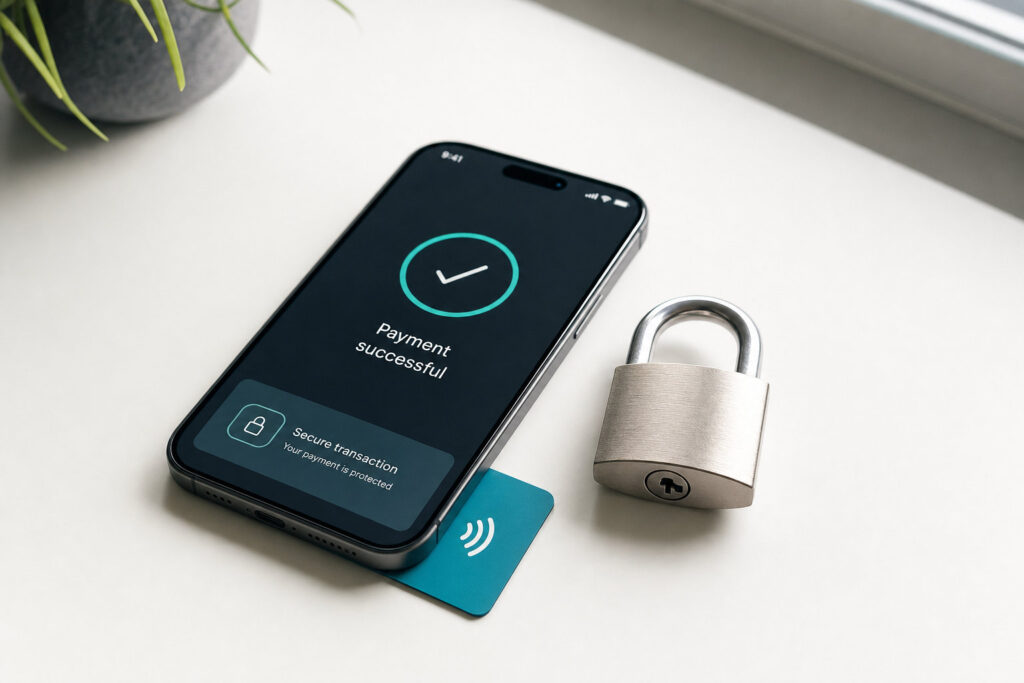
Today’s mobile payment systems are built on rapidly evolving digital infrastructure, where instant access and convenience are balanced against persistent risks such as fraud and data breaches. With many using real-time transfers and payment apps, security concerns have shifted from purely technical faults to more sophisticated attack methods. These expectations apply across many digital services that handle payments, including online entertainment platforms such as tuhti casino. Mobile payment systems reflect this environment, where trust is essential and users expect security measures that offer more protection than basic passwords alone.
Recognising and understanding these security solutions can help you make more informed choices when handling money on your device. These protections typically combine user-focused controls with behind-the-scenes technical safeguards. Together, they aim to reduce the likelihood of unauthorised access and fraudulent transactions.
Modern payment security and why it matters now
Mobile payments have surged in popularity thanks to seamless user experiences and the advent of contactless technologies. This shift means that protecting sensitive financial information is a central concern for both providers and users.
Trust is the backbone of any app handling money or identities. Without consumer confidence in the security of mobile payments, adoption would likely stall. Providers invest in securing both user data and financial transactions to address a wide variety of risks.
The regulatory landscape has also evolved significantly to match the growing reliance on mobile payments. Standards such as PSD2 in Europe and similar frameworks globally mandate stronger authentication and impose liability rules that protect consumers. These regulations push providers to implement technical safeguards that meet minimum security thresholds, creating a baseline level of protection across the industry. For users, this means that many of the security features you encounter are not optional enhancements but required components that payment services must integrate to remain compliant and operational.
Recognising common threats to mobile payments
Threats like account takeover, phishing, and SIM swapping focus on deceiving users or exploiting weak authentication. Attackers often impersonate trusted sources, convincing users to share credentials or approve fraudulent transfers.
More technically advanced risks, such as device malware and overlay attacks, target the mobile device itself. Compromised phones can leak credentials or intercept transactions, sometimes without the user’s awareness, making secure device architecture important.
Foundational technical safeguards and their relevance
Multi-factor authentication and strong customer verification strengthen access controls, requiring more than just a password to complete transactions. Device binding securely links a user’s app session to a trusted device, reducing the risk of unauthorised access from elsewhere.
Cryptographic keys stored in Trusted Execution Environments help keep sensitive data like card numbers and authentication tokens from being exposed, even if the device is compromised. Tokenisation replaces real card details with single-use tokens, lowering the risk if transaction data is intercepted.
Biometrics, passkeys, and back-end protections
Biometric verification such as fingerprint or facial recognition adds an additional layer, confirming it is you initiating the transaction. However, this technology does not prevent all types of fraud, so it is typically used alongside other measures.
Emerging passkey frameworks and FIDO standards improve security by reducing reliance on passwords, helping resist phishing and credential theft. On the back end, risk-based authentication and active transaction monitoring can help detect suspicious patterns in real time before losses occur.
User signals of secure payments and future directions
Clear prompts, immediate payment confirmations, and instant alerts can indicate that security controls are active. Effective recovery options, such as secure reset processes that do not weaken your account, can also indicate well-designed protection.
AI-powered fraud detection is increasingly used to identify unusual behaviours and help reduce advanced digital scams. Challenges remain as attackers use deepfakes and social engineering, but ongoing advances aim for payment experiences that are both seamless and more secure.
Samasta aihepiiristä

Samsung galaxy s25 ultra arvostelu: kannattaako lippulaiva ostaa vielä?
Samsung Galaxy S25 Ultra arvostelu -yhteenveto kertoo, että tehossa on selvä loikka, mutta näyttö, kamera ja akku ovat lähellä edeltäjää. Kenelle päivitys kannattaa?

Lasten leikkikehä: näin valitset koon, materiaalin ja mallin kotiin
Lasten leikkikehä valitaan koon, materiaalin ja painorajan mukaan: iso verkkomalli tai sängyn ja kehän yhdistelmä sopii tilan ja lapsen iän mukaan.

Lasten pyörä 18 tuumaa: näin valitset sopivan koon 115–125 cm lapselle
Lasten pyörä 18 tuumaa sopii myyjän mukaan 115–125 cm lapselle. Vertailemme kolmea värivaihtoehtoa ja kerromme, millä mitoilla sopivuus varmistetaan.